
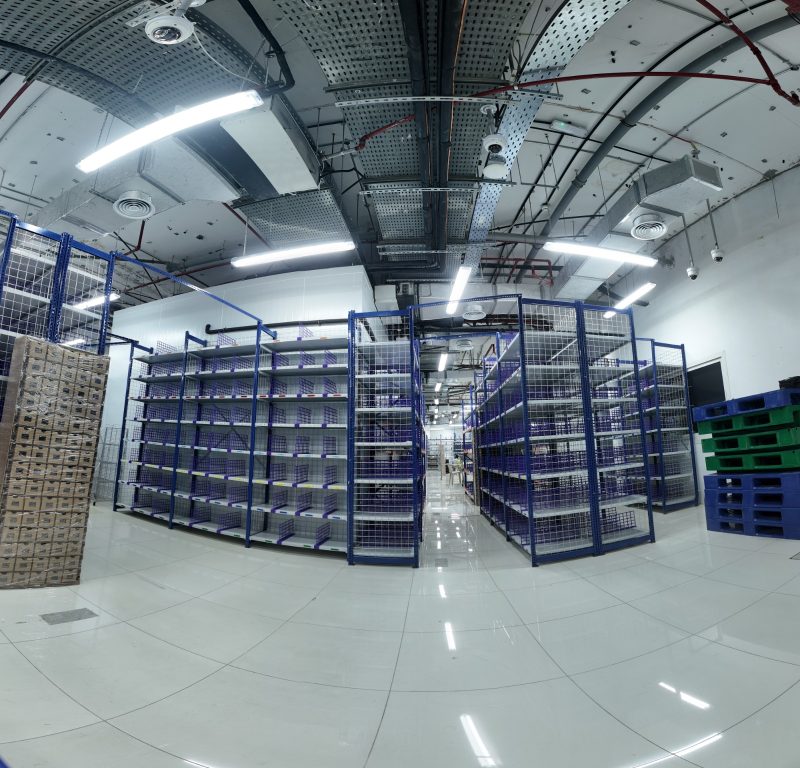
Warehouse CCTV Installation Guide: How to Protect Inventory and Strengthen Warehouse Security
Inventory losses inside a warehouse are not always easy to explain.
Products move between receiving areas, storage racks, picking zones, packing stations and dispatch points. Employees, suppliers, drivers and other authorized personnel may enter different parts of the facility throughout the day. In a large warehouse, identifying exactly when or where an incident occurred can be difficult.
That is why warehouse CCTV installation should be planned around how the facility actually operates rather than simply installing cameras wherever space is available.
Well-planned surveillance can support monitoring, deterrence and incident investigation. More importantly, when CCTV planning is coordinated with warehouse storage and racking, businesses can reduce avoidable blind spots and create a stronger overall security environment.
Why Warehouse Security Needs Proper Planning
A warehouse is very different from a small office.
Tall racking, long aisles, loading bays, stock movement and restricted storage areas can all affect visibility.
For businesses considering CCTV installation in the UAE, the first question should therefore not be:
“How many cameras do we need?”
A better question is:
“Which activities, inventory and access points need clear visibility?”
The answer depends on the warehouse layout, operations and security risks.
How CCTV Supports Inventory Protection
A warehouse surveillance system can provide visibility across important stages of inventory movement.
For example, surveillance cameras may help businesses review:
- Goods arriving at the warehouse
- Movement through storage areas
- Access to selected inventory zones
- Picking and packing activity
- Dispatch operations
- Entry and exit activity
CCTV should not be treated as a guarantee against theft or stock loss. Instead, it should form part of broader warehouse security measures involving access management, operating procedures, physical security and appropriate inventory controls.
Which Warehouse Areas Need Surveillance?
Every facility requires an individual assessment, but several areas commonly deserve attention.
Entrances and Exits
Monitoring access points can provide useful visibility into who enters and leaves the facility.
Loading and Unloading Areas
Loading bays are active transition points where goods move between vehicles and the warehouse. Clear visibility can help businesses review incidents involving deliveries, collections and inventory movement.
Storage Racks and Aisles
Long aisles and tall storage systems create unique surveillance challenges. Cameras need to be considered in relation to rack height, aisle direction and potential visual obstructions.
Packing and Dispatch Areas
These areas represent another important stage in the inventory journey. Surveillance can help provide visibility where orders are prepared and moved toward dispatch.
High-Value Storage Areas
Businesses storing expensive, sensitive or restricted inventory may need additional security considerations around selected zones.
External and Vehicle Access Areas
Depending on the facility, warehouse security planning may also consider external access, vehicle movement and perimeter areas.
Stofix’s warehouse storage solutions in Dubai combine warehouse planning and storage expertise with camera installations for added security.
How Warehouse Racking Can Affect CCTV Coverage
Racking improves storage capacity, but it also changes what a camera can see.
Tall racks may block visibility across adjacent areas. Long aisles can create narrow viewing corridors. Stock stored at different heights may introduce additional obstructions.
This creates an important connection between warehouse security cameras and storage planning.
If cameras are installed first and racking is later added or modified, previously clear views may become obstructed.
Businesses planning new storage systems should therefore consider surveillance requirements alongside their racking and shelving solutions rather than treating the two as completely independent projects.
Should CCTV Be Planned Before Warehouse Racking?
Ideally, CCTV requirements and storage layout should be considered together.
The final racking plan can influence camera positions, while surveillance requirements may identify areas where clear visibility is particularly important.
This becomes even more relevant when the warehouse includes multi-level storage or a mezzanine. Structural changes can create new areas that require separate visibility considerations.
For businesses expanding usable warehouse space, security planning should therefore be considered alongside the wider fit-out and storage design.
Common Warehouse CCTV Installation Mistakes
Several planning mistakes can reduce the usefulness of a CCTV system:
- Selecting camera positions before finalizing the warehouse layout
- Ignoring blind spots created by tall racks
- Focusing only on entrances while overlooking inventory movement
- Failing to consider loading and dispatch areas
- Not reviewing coverage after storage-layout changes
- Treating CCTV as the complete warehouse security strategy
A site assessment should consider the actual warehouse environment before camera locations are finalized.
What Should You Consider Before CCTV Installation in the UAE?
Before selecting a solution or provider, define what the CCTV system needs to achieve.
Consider:
Warehouse layout: Where are the racks, aisles, loading zones and restricted areas?
Inventory risk: Which products or locations require greater visibility?
Operations: How do goods move from receiving to storage and dispatch?
Existing infrastructure: What technical provisions are already available?
Future changes: Will new racks, shelving or mezzanine floors be introduced?
Coverage: Are important operational areas visible without major obstructions?
Businesses should also verify applicable UAE requirements and any project-specific approvals with appropriately qualified providers and authorities rather than assuming that the same requirements apply to every facility.
Better Warehouse Planning Supports Better Security
Security works best when it is considered during warehouse planning rather than added after every other decision has been made.
A business installing new racks, reorganizing storage or undertaking an industrial fit-out has an opportunity to consider inventory flow, visibility and physical security together.
Stofix’s core strength is broader than camera placement. The company provides warehouse storage solutions, racking, shelving, mezzanine and technical fit-out capabilities, allowing security requirements to be considered in the context of how the warehouse itself is organized.
Frequently Asked Questions
How does CCTV help protect warehouse inventory?
CCTV can support monitoring, deterrence and investigation by providing visibility across important warehouse activities and inventory movement. It should be used alongside broader physical and operational security measures.
Can warehouse racks create CCTV blind spots?
Yes. Tall racks, stored products and long aisles can obstruct camera views. This is why surveillance requirements should be considered alongside the storage layout.
When should CCTV be planned for a new warehouse?
Ideally during warehouse planning, particularly before racking, mezzanine and other structural elements are finalized. Early coordination makes it easier to identify potential visibility problems.
Does Stofix provide warehouse security solutions?
Stofix’s warehouse offering includes camera installations for added security alongside its established warehouse storage and structural capabilities. Specific CCTV system requirements and installation scope should be confirmed directly with Stofix for each project.
Conclusion
Effective warehouse CCTV installation starts with understanding the facility, not simply choosing surveillance cameras.
Entrances, loading areas, inventory zones, aisles and dispatch points all have different security considerations. Racking and warehouse structures can also affect visibility, making coordination between storage planning and CCTV particularly important.
For businesses planning a new warehouse, reorganizing existing storage or upgrading their facility, Stofix can help address warehouse layout, racking and broader storage requirements while considering security as part of the overall environment.
Explore Stofix Warehouse Storage Solutions or visit Stofix Technical Services to discuss your warehouse requirements.
Discuss Your Warehouse Storage and Security Requirements With Stofix