
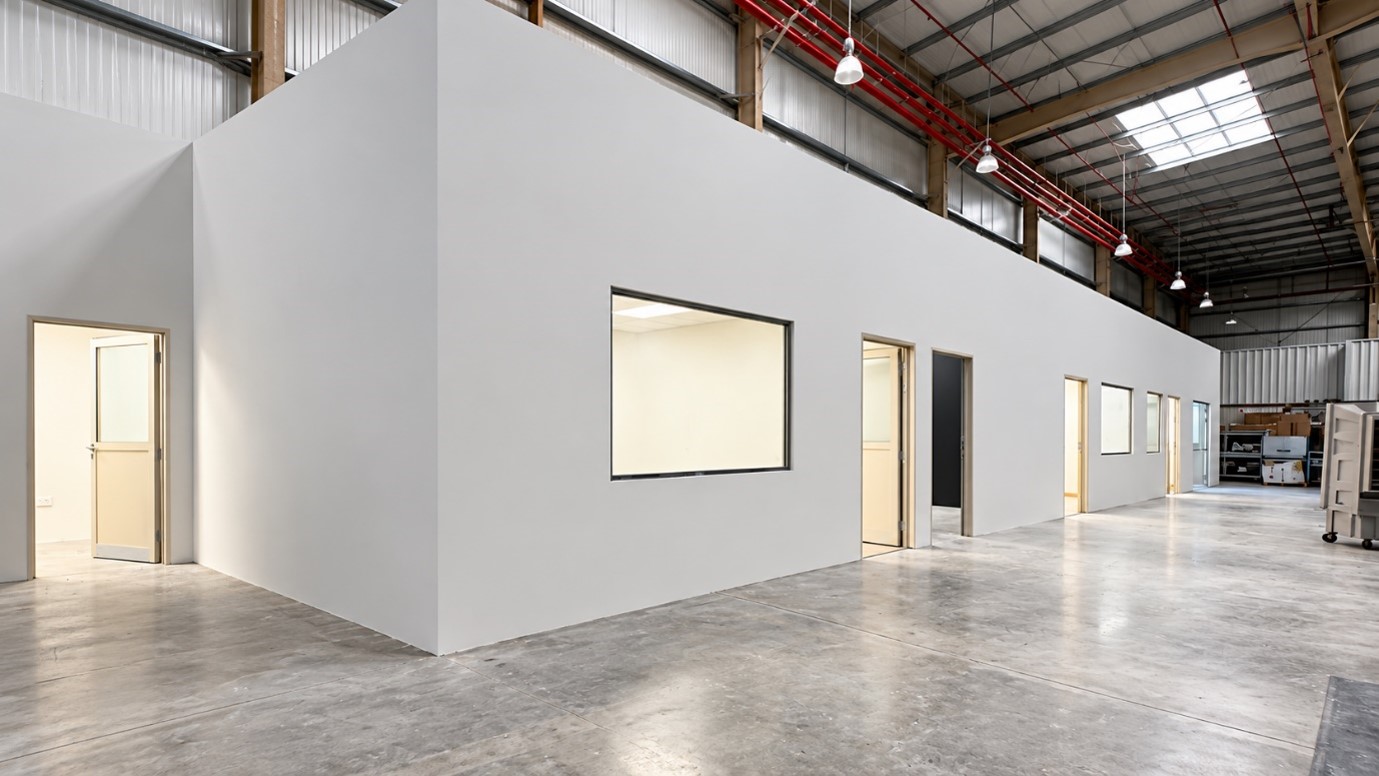
Walk into any commercial building and you’ll form an opinion about it within seconds often before anyone says a word. Peeling walls, faded signage boards, patchy corners near the entrance. None of it says “professional,” even if the business inside is running perfectly well.
That’s the part painting maintenance quietly takes care of. It’s easy to overlook because paint doesn’t fail overnight. It fades a little, chips a little, and one day someone finally notices the whole place looks tired. By then, what could have been a quick touch-up has usually turned into a bigger job.
At Stofix Technical Services, we’ve spent years working on commercial properties across Dubai offices, warehouses, retail units and painting maintenance keeps coming up as one of those things clients wish they’d planned for sooner rather than later.
1. First Impressions Happen Fast, and Paint Is Part of That
Clients, staff, delivery drivers, inspectors, everyone who walks through your door is silently reading the building. Clean, consistent walls signal that a business pays attention to detail. A scuffed reception area or a faded storefront tells a different story, even when it’s not true.
This matters most in spaces people actually visit: showrooms, offices, reception areas, anywhere customer-facing. Keeping paint fresh there isn’t vanity, it’s part of how a brand shows up in person.
2. Paint Is Doing More Than Looking Good
People tend to think of paint as decoration. In commercial buildings, it’s closer to a protective skin. A properly applied coat shields walls from the daily grind humidity, dust, contact, temperature swings that would otherwise wear surfaces down.
Different buildings wear differently. Offices pick up scuffs and stains near desks and doorways. Warehouses deal with dust, abrasion, and the occasional bump from equipment moving through. Catching these early, before they turn into cracks or peeling patches, is most of what maintenance is about.
A quick note on cracks and peeling: paint won’t fix what’s underneath it. If there’s damp or a structural crack behind that peeling patch, repainting over it is a short-term patch at best. Sort the underlying issue first, then repaint otherwise you’re just delaying the same problem.
3. Fixing It Late Costs More Than Fixing It Early
This one’s simple math, but it surprises people anyway. A wall that’s caught early needs cleaning, maybe a primer, and a fresh coat. A wall that’s been left needs the old coating stripped, the plaster repaired, the surface treated, then primed and repainted often across a much bigger area than if someone had dealt with it six months earlier.
A planned schedule also makes budgeting easier. Instead of one large, disruptive repaint every few years, you can prioritize the high-traffic areas as they start to show wear and spread the cost out sensibly.
4. It Shapes How the Workplace Actually Feels
There’s a difference between working in a space that looks cared for and one that doesn’t, even if nobody says it out loud. Fresh paint in a meeting room or corridor lifts the place without needing a renovation budget.
For warehouses and industrial units, the coating itself matters as much as the color it needs to hold up to the activity level and the environment it’s in. And where painting happens near occupied spaces, low-VOC, low-odour products with proper ventilation make the process easier on everyone still working around it.
5. Dubai’s Climate Doesn’t Make This Optional
Heat, sun, dust, humidity. This city’s conditions are hard on painted surfaces, full stop. Exterior walls take the brunt of direct sun and shifting weather. Interiors aren’t spared either; air-conditioning, cleaning routines, and daily use all chip away at a finish over time.
Choosing the right coating for the job matters more here than in milder climates:
- Exterior paint: needs to hold up against sun and weather exposure without fading fast.
- Interior paint: should be durable and washable enough for the space’s actual use.
- Industrial coatings: need to match the surface material and whatever chemicals or abrasion it’ll face.
- Moisture-resistant coatings: help in humid areas but only once any underlying damp issue is actually resolved.
Get this part right and a paint job lasts noticeably longer, with fewer repeat visits.
6. Warehouses Need Their Own Maintenance Rhythm
Constant forklift traffic, dust, storage activity, contact with equipment warehouse walls take a beating that office walls simply don’t. A maintenance plan built around that reality keeps the facility looking presentable without getting in the way of operations.
If you’re already planning upgrades, a Warehouse Fitout is a natural point to fold painting in alongside flooring, partitions, and storage installs one coordinated push rather than several separate disruptions. And where steel components or fabricated structures need attention, Fabrication Work In Dubai and painting often go hand in hand, giving new and existing elements a consistent finish.
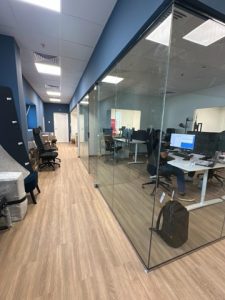
7. Painting Ties Fit-Out Projects Together
In most refurbishment or fit-out projects, painting is the finishing move, the thing that pulls partitions, ceilings, flooring, and fixtures into one cohesive look. Get the sequencing wrong and you end up repainting around freshly installed fixtures, which nobody wants.
Working with experienced Fitout Contractors In UAE helps get that sequencing right the first time, so painting happens at the correct stage instead of causing rework later. For properties mid-refurbishment, Stofix Technical Services handles both the fit-out and the maintenance side of this together.
8. Getting the Work Done Without Shutting the Business Down
Nobody wants their office closed for a week because of paint fumes. The good news is that with a bit of planning, most of that disruption is avoidable:
- Schedule around quiet periods: weekends, holidays, slower trading days.
- Work in sections: rather than tackling the whole building at once.
- Protect equipment and furniture: before the first coat goes on.
- Give it time to dry properly: rushing reoccupation causes more problems than it solves.
- Coordinate with other trades: so painting doesn’t collide with electrical or flooring work.
None of this is complicated, but it does need to be planned rather than improvised on the day.
9. You Don’t Always Need to Repaint the Whole Building
If one wall or section is showing wear, that doesn’t mean the entire property needs a fresh coat. Targeted touch-ups, done well, can extend the life of the existing paintwork considerably.
The catch is that touch-ups can look worse than the original problem if they’re not handled carefully, mismatched sheen or slightly-off colour stands out more than you’d think. Keeping a record of the paint products and colours used originally makes future touch-ups far easier to match.
10. So, How Often Should You Actually Repaint?
There’s no universal answer; it depends on the building, the paint quality, how much traffic the space sees, and how exposed it is to the elements. As a starting point, inspecting twice a year is a reasonable baseline, with more frequent checks in busier or harsher environments.
Commercial area |
What to watch for |
|---|---|
| Offices and meeting rooms | Scuffs, stains, and marks from daily use |
| Reception areas and corridors | Wear from regular foot traffic |
| Warehouses | Dust buildup, abrasion, impact damage on walls and structures |
| Exterior walls | Fading, peeling, cracking, weather damage |
| Industrial facilities | Coating condition relative to operating exposure |
Treat this as a checklist for inspection, not a fixed repainting calendar; the actual timing should follow what the surfaces are telling you.
11. What Makes Stofix Technical Services the Right Choice
Commercial painting isn’t just about applying colour to a wall. It’s inspection, surface prep, material selection, and sequencing the work so it doesn’t disrupt whoever’s still using the building.
That’s the approach we bring to every project, inspecting properly, flagging moisture or structural issues before they’re painted over, choosing the right products for the surface and setting, and scheduling around the client’s operations rather than the other way around.
Whether it’s a single office refresh, a warehouse refurbishment, or fabrication and fit-out work running alongside the painting, we handle it as one coordinated job rather than a string of separate ones.
A Final Word
Painting maintenance is one of those things that’s easy to postpone and expensive to postpone for too long. In a climate like Dubai’s where sun, heat, dust, and humidity are constantly working against painted surfaces, staying ahead of it with regular inspection and the right products makes a real difference, both in appearance and in cost over time.
Whether you’re managing an office, a warehouse, or an industrial facility, a bit of planning here goes a long way toward keeping the property looking the way it should.
FAQs
1. Why does regular painting maintenance matter for commercial properties?
It protects the building’s surfaces, keeps the property looking professional, and catches damage early before it turns into a costlier repair.
2. How often should a commercial building be repainted?
It depends on the building’s condition, the paint quality used, how much space is used, and how exposed it is to the elements. Regular inspection is the best way to judge timing.
3.What kind of paint suits commercial buildings in Dubai?
I depends on whether the surface is interior or exterior and what it’s made of but generally, coatings need to handle heat, sun, dust, and humidity well.
4.Can regular maintenance actually lower costs?
Yes, dealing with peeling paint and small cracks early avoids the bigger prep and repair work that comes with leaving them. Just make sure any underlying moisture or structural issue is fixed first.
5.Does painting fall under warehouse fit-out work?
Usually, yes. It’s commonly coordinated with flooring, partitions, and storage installs as part of a Warehouse Fitout, so everything finishes to a consistent standard.